


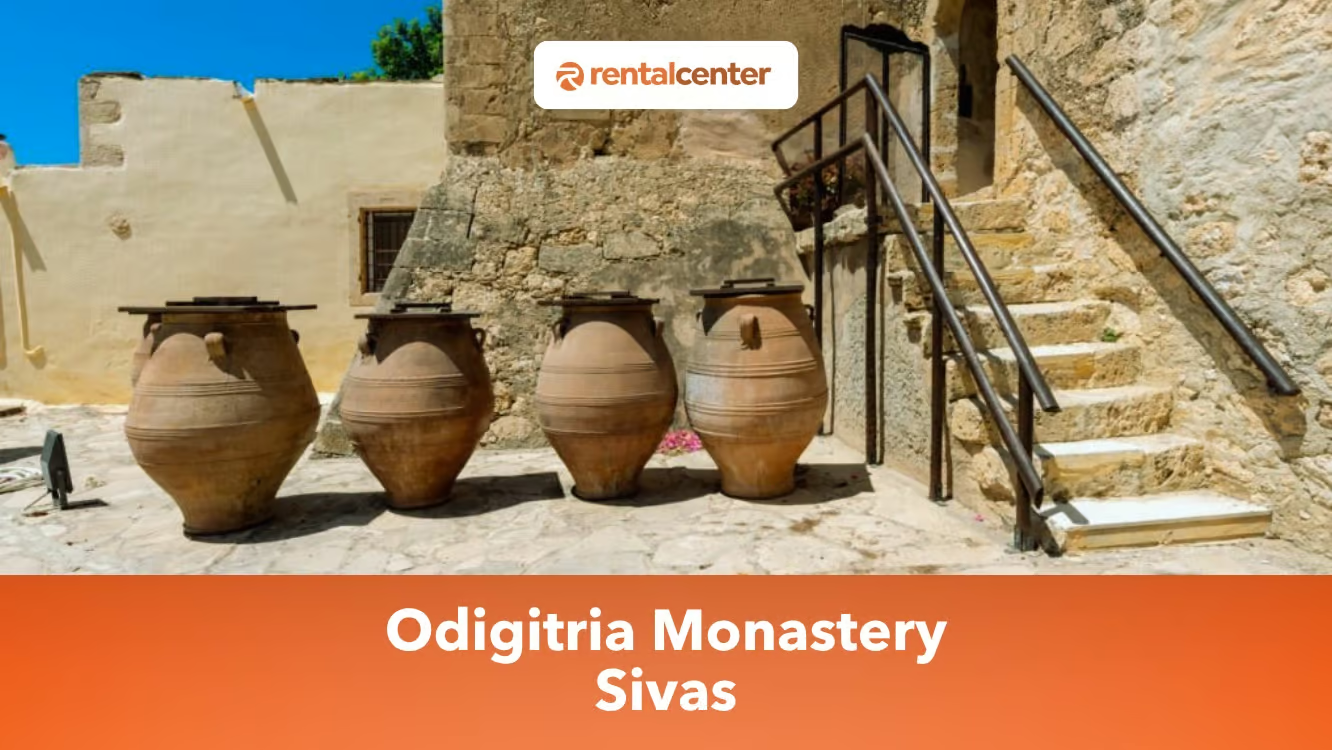
Do not confuse this monastery with Gonia Monastery (Moni Gonias) near Kolymbari in Chania, western Crete. The two sites share the Odigitria epithet but stand at opposite ends of the island, and their history, fees and opening times are entirely separate. Everything on this page describes the Sivas monastery in the Asterousia Mountains.
Opening conditions, seasonal hours and access details can change. Confirm them with the monastery before you travel.
The monastery houses a small community of monks who maintain the grounds and lead the services. There is no entrance fee to visit Odigitria Monastery. The monastery opens from sunrise to sunset, a modest dress code applies, and the monks restrict photography inside the churches. A shop on site sells monk-made products such as olive oil, herbs and handicrafts.
Visitors should dress modestly and speak quietly on the grounds. A scenic walking route through the Gorge of Agiofarago starts at the monastery, suits most fitness levels, and takes a few hours round trip. Odigitria Monastery is considered safe, and spring brings moderate temperatures and fewer crowds than summer.
You can rent a car to visit Odigitria Monastery in Crete. Rental Center Crete offers cars, vans and motorcycles, and a car remains the most practical choice for the mountain road. Options range from compact cars like the Toyota Aygo to spacious ones like the Skoda Octavia and Kia Sportage, with the Toyota Rav4 Auto for rougher tracks and the seven-seater Peugeot 5008 Auto for larger groups. Multiple rental locations across Crete, including airports and city centres, make pickup convenient for travellers.
What is the history of Odigitria Monastery?
Odigitria Monastery is a 14th-century fortress-style male monastery in the Asterousia Mountains, one of the oldest and most historically significant religious sites on Crete. Odigitria Monastery takes its name from a copy of the famous icon of the Panagia Odigitria in Constantinople, attributed to the evangelist Luke. Odigitria means “she who shows the way” in Greek.
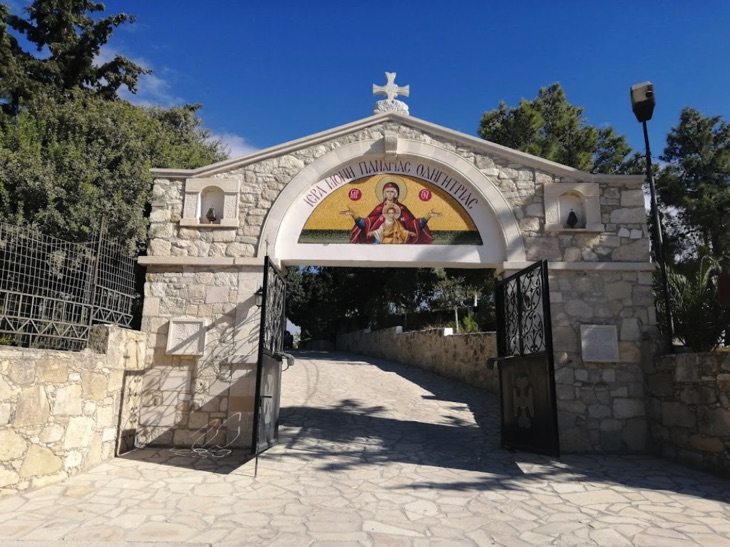
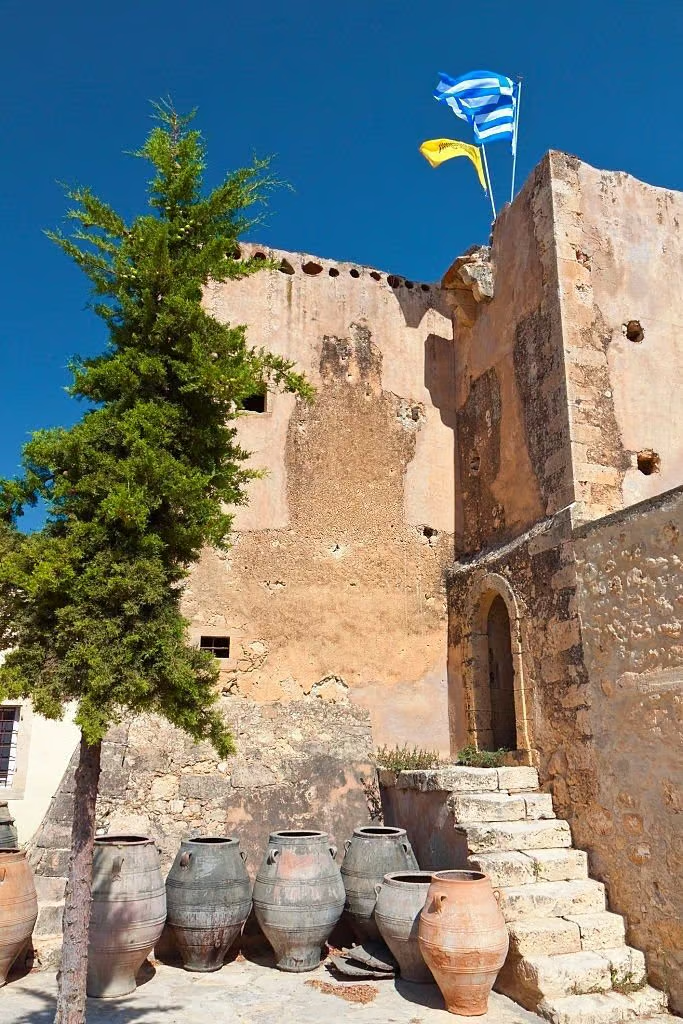
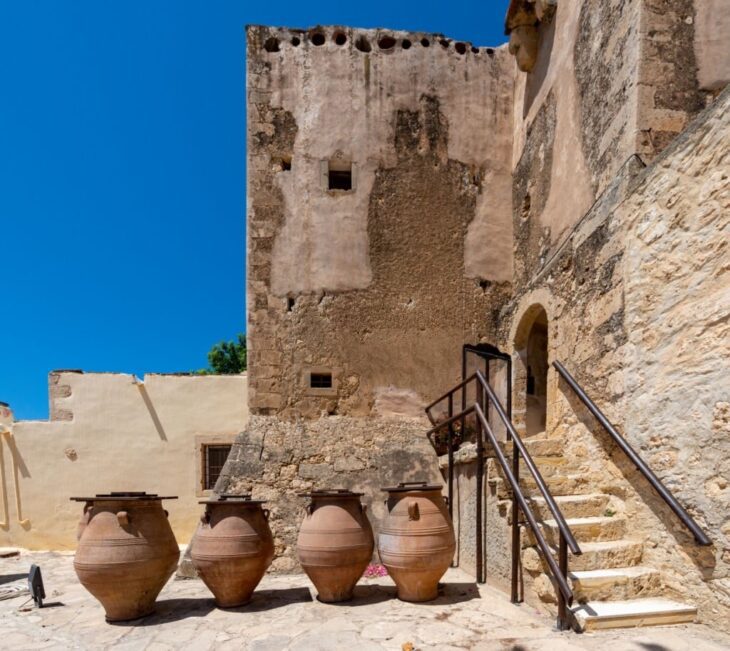
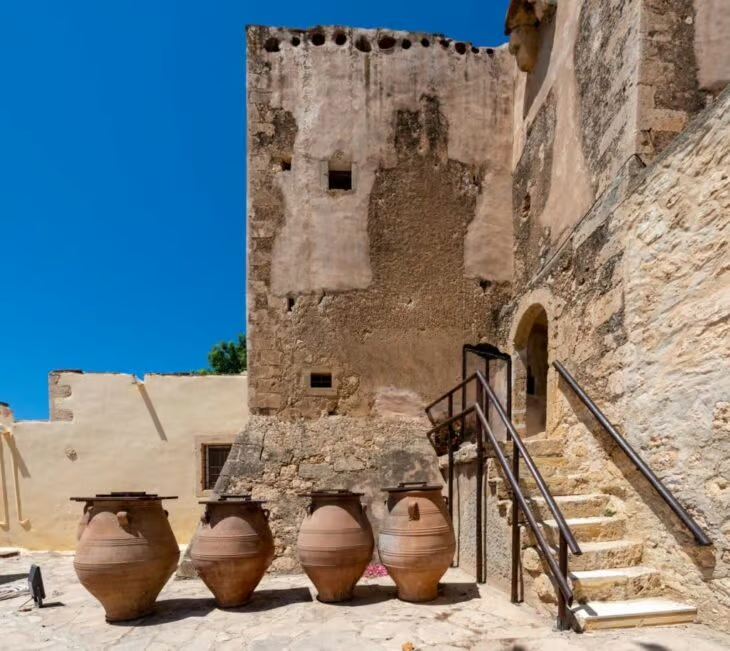
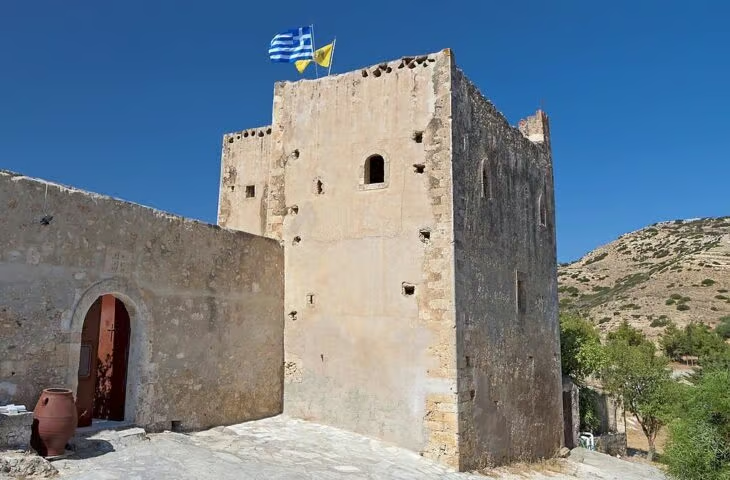
Monks built the monastery in fortress style in the 14th century to withstand raids by pirates and, later, Ottoman troops in this isolated stretch of southern Crete. Part of the original defensive wall still stands. The complex surrounds a two-aisled church devoted to the Assumption of the Virgin Mary and the Apostles Peter and Paul, and it includes a bakery, olive mill, wine press, warehouses, cheese cellar, guest house, library, monks’ cells and the graves of the abbots. Historical records first mention the monastery in the Ducal Records of Chandax (Heraklion) in 1393, which places it among Crete’s earliest-documented monasteries. The Kallergis family held the monastery as founding patrons.
The monastery is also known as Moni Panagias Odigitrias. Renovations in 1568 gave the complex much of its present form, and later centuries added Venetian and Ottoman architectural elements to its Byzantine core. The monastery gained stavropegic status in 1844, which places it under the direct governance of the Patriarchate rather than the local diocese. In 1862, the monks Parthenios and Eumenios lived here for several years before founding Koudoumas Monastery further along the Asterousia coast.
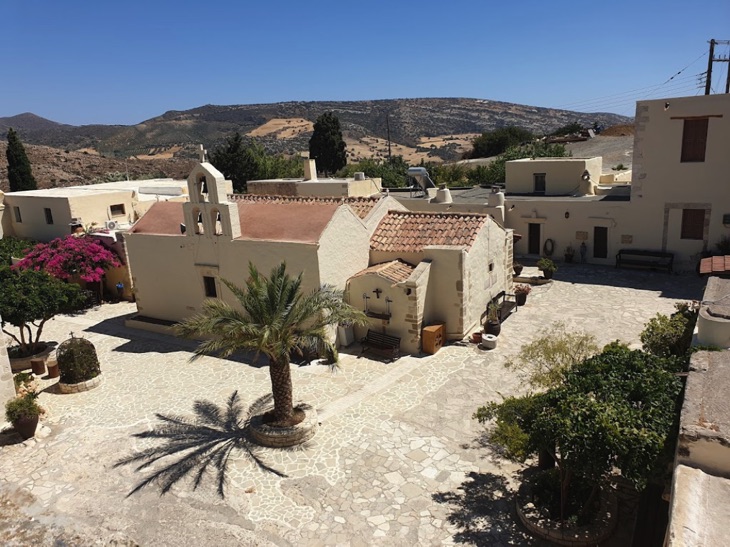
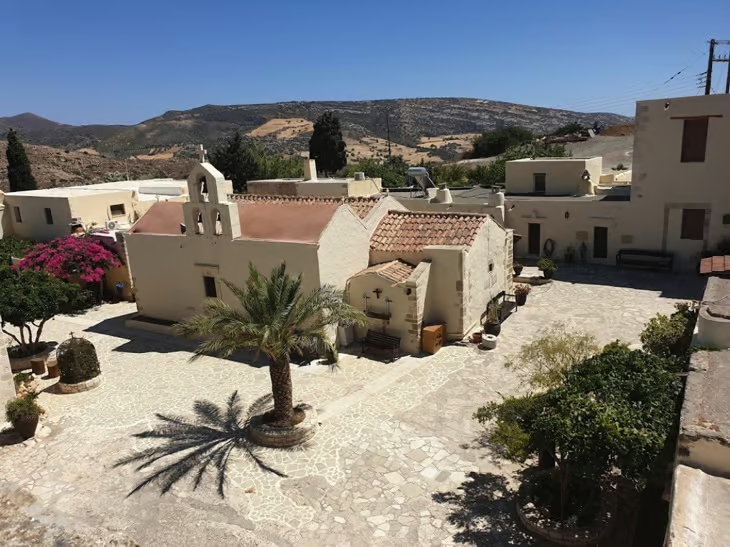
Odigitria Monastery played a repeated role in Cretan resistance. Ottoman forces destroyed the monastery in 1866 in reprisal for the revolutionary activity of the monks and their abbot, Gerasimos Manidakis. During the German occupation of 1941-1944, the monastery sheltered partisans, and the monks moved its relics and icons to the village of Listaros for safekeeping. Today the monastery remains an active religious site, and the community maintains its icons, manuscripts and frescoes.
Who was Xopateras, and what happened in 1828?
Xopateras was the rebel monk who led a three-day defence of Odigitria Monastery against Ottoman forces in 1828, and the monastery tower carries his name. Xopateras was born Ioannis Markakis in 1788. He entered Odigitria Monastery as a monk and took the name Ioasaf after his father refused to approve the woman he wanted to marry.
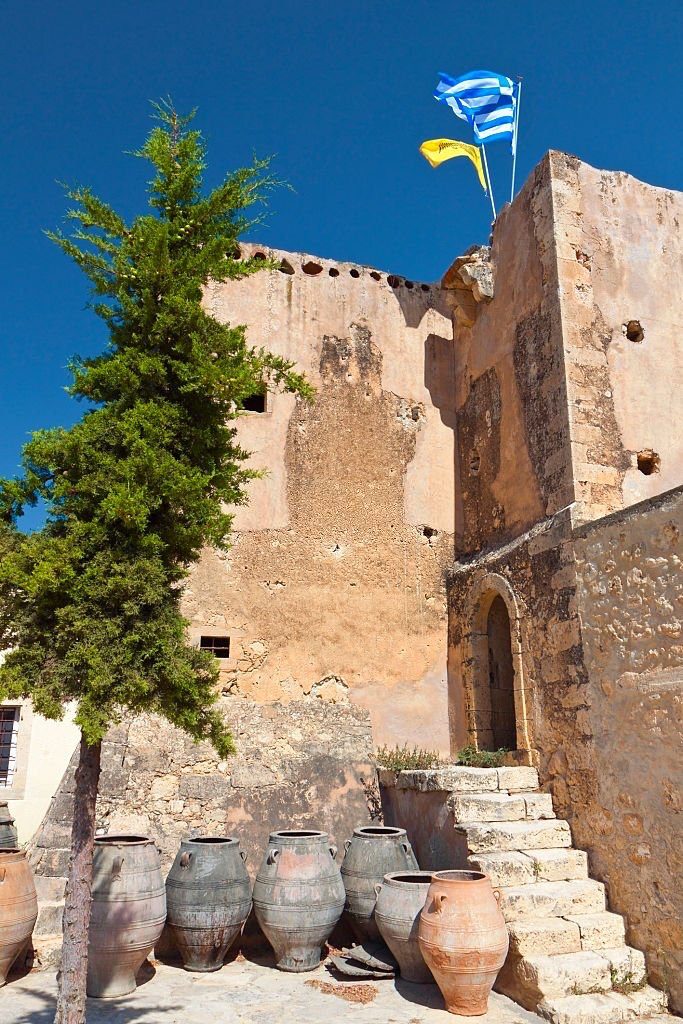
Ioasaf joined the Cretan rebels fighting the Ottomans, and his reputation as a protector of Christians spread across the Messara. The Metropolitan defrocked him under Ottoman pressure, making him a “xepapas” – an unfrocked priest – and the nickname Xopateras stuck. In 1828, Ottoman troops besieged the monastery tower, where Xopateras and his companions fought for three days and nights. His companions fell, the attackers set the tower alight, and Xopateras came out fighting with a rifle in one hand and a sword in the other. The Ottomans killed him and beheaded him, then carried his head through the surrounding villages. The Tower of Xopateras still stands near the entrance gate and remains the monastery’s best-known landmark.
Where is Odigitria Monastery located?
Odigitria Monastery sits on a hill near the village of Sivas, in the Heraklion regional unit of southern Crete, at roughly 250 metres above sea level. You can find Odigitria Monastery at 35.0389° N, 24.8558° E, on the northern flank of the Asterousia Mountains where they meet the Messara plain.
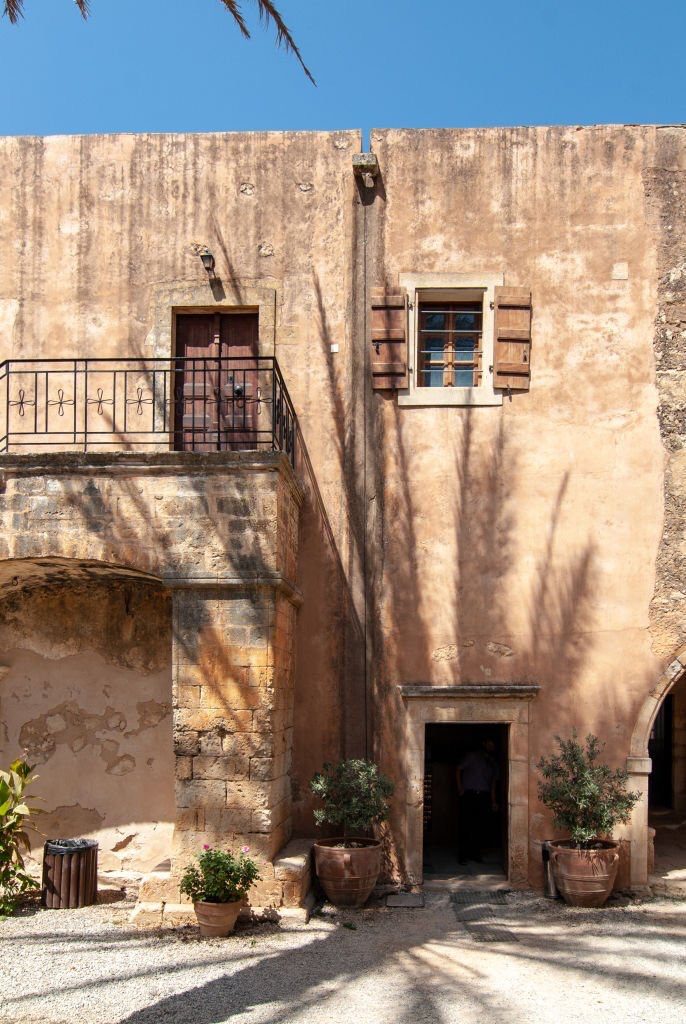
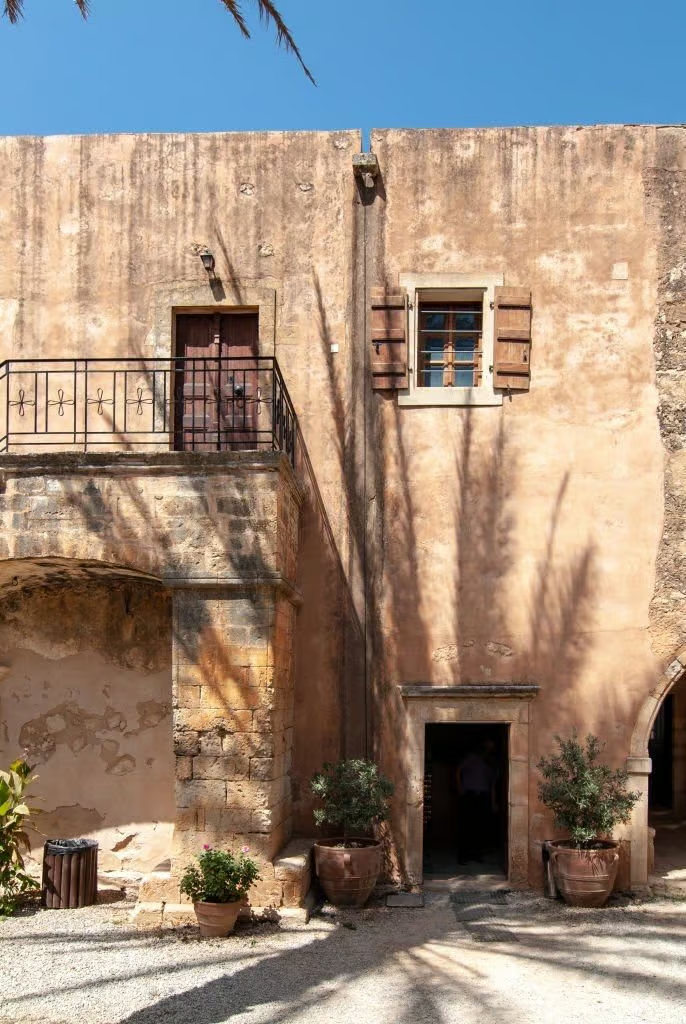
The monastery overlooks the surrounding countryside, and the drive to it crosses the Messara plain south of Heraklion. The approach road runs through Sivas, the village between Mires and Matala in the southern part of Crete, and it is asphalted the whole way. Olive groves line the final stretch.
Is Odigitria Monastery still inhabited?
Yes, Odigitria Monastery is still inhabited. Odigitria Monastery remains an active monastery in southern Crete, and reports indicate five monks living and working there. The monks maintain the grounds and buildings, and they continue to use the church and religious spaces daily for services and rituals.
A shop on the premises sells items produced by the monks, such as olive oil, herbs and handicrafts, and the proceeds support the monastery. Visitors describe meeting and speaking with monks during their tours. Restoration and renovation projects have kept the monastery’s facilities functional for daily living, and the monastery updates its website and social media accounts with events and religious holidays.
Is this the same monastery as Gonia Monastery in Kolymbari?
No – Odigitria Monastery in Sivas is a different site from Gonia Monastery (Moni Gonias) near Kolymbari in Chania, western Crete. Odigitria Monastery in Sivas stands inland in the Asterousia Mountains of the Heraklion regional unit, far to the east of Kolymbari and on the opposite, southern coast.
The confusion arises because Gonia Monastery is also dedicated to the Panagia Odigitria and appears in listings as “Odigitria Gonia Monastery”. The two monasteries have separate histories, separate visiting conditions and separate entrance policies. Every fact on this page – the free entry, the sunrise-to-sunset hours, the Xopateras tower, the Agiofarago walk – belongs to the Sivas monastery only. Check the region before you set off, because a mix-up means a drive to the wrong end of the island.
What to know before visiting Odigitria Monastery?
There is no entrance fee to visit Odigitria Monastery, and the grounds and church open daily from sunrise to sunset, with specific hours varying by season. Visitors should dress respectfully, with modest clothing covering shoulders and knees, because this is an active religious site.
The monks allow photography in certain areas but prohibit it inside the churches, so ask for guidance before taking photos or videos. A small parking area sits below the monastery, and space is limited, with additional parking along the roadside. The on-site shop sells items made by the monks, such as olive oil and handicrafts, and the sales support monastery operations. Visiting involves some hill walking that most fitness levels can manage – wear comfortable shoes, because some paths are uneven. Guests can talk with the monks but should respect their privacy and keep silence around the church, and most monks speak only Greek.
What can you see in the on-site museum?
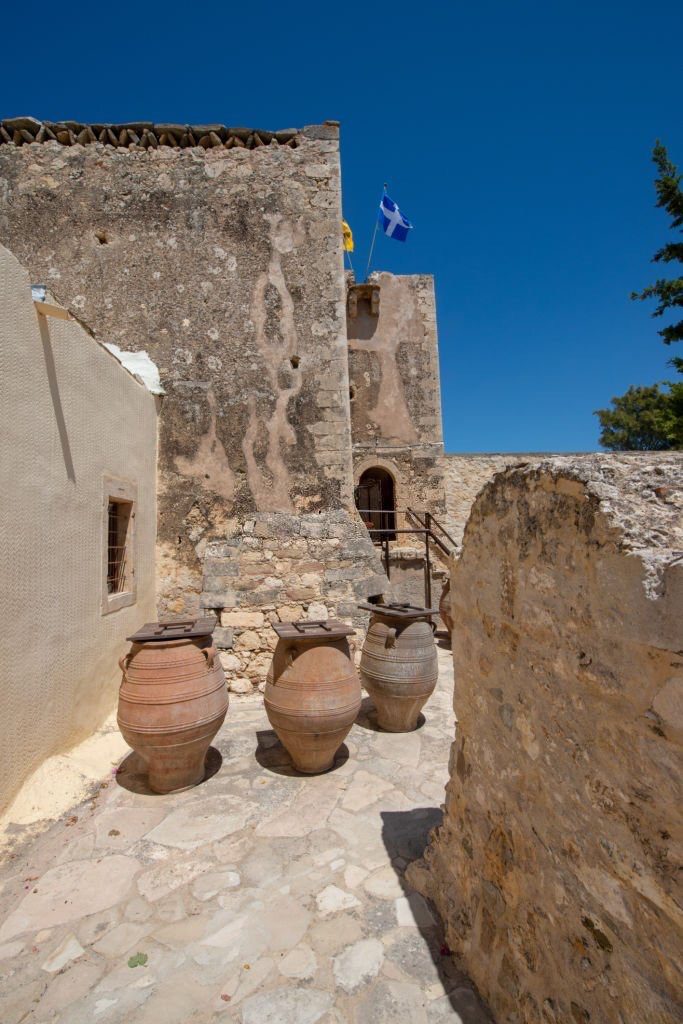
The on-site museum occupies the monastery’s old olive press and bakery, and it displays everyday objects from the 16th century to the present day. The museum collection includes a traditional loom, a mill, a traditional oven, agricultural tools and other working items from centuries of monastic life.
The monastery church still holds valuable icons, including works attributed to the 15th-century Cretan painter Angelos. Most of the older icons now sit in the Icon Museum in Heraklion for conservation. Several chapels and hermitages also belong to the monastery’s lands, listed below.
- Agios Antonios: the small chapel set into the rock face inside the Gorge of Agiofarago.
- Panagia at Martsalo: the cave chapel on the coast south-west of the monastery.
- Agia Kiriaki: one of several smaller chapels on the monastery’s extensive estate.
Is there an etiquette to follow at Odigitria Monastery?
Yes, visitors should follow monastic etiquette at Odigitria Monastery, because it is a functioning religious community. Odigitria Monastery expects modest dress, with shoulders and knees covered, out of respect for the monks and the sacred spaces. Women may be asked to wear a skirt below the knee rather than trousers.
The monks prohibit photography and videography inside the churches, so ask them before taking photos elsewhere on the grounds. Speak quietly and move calmly within the monastery, because loud conversations and rowdy behaviour are inappropriate here. Do not interrupt the monks at prayer or at work – interaction is welcome, but the community values silence and privacy around the church. Signs mark the private areas reserved for monks, and guests should not enter them. Avoid smoking and drinking alcohol on site.
What is the walk route to Odigitria Monastery?
A scenic walking route runs from Odigitria Monastery through the Gorge of Agiofarago down to the sea, covering 5 kilometers (3.11 miles) one way. The trail begins at the parking area by the monastery and drops into the gorge, following the riverbed between steep cliffs.
The walk is relatively easy and suits most fitness levels. The path stays mostly flat and wide, though some rocky sections need sure footing. Wear sturdy shoes and carry plenty of water, because there is little shade along the way. After about 3 kilometers (1.86 miles), the trail passes the small 15th-century Chapel of Agios Antonios, set scenically into the rock face. Another 2 kilometers (1.24 miles) leads to the coast and secluded Agiofarago Beach, where the walk ends. The full walk from the monastery to the beach is 5 kilometers (3.11 miles) in total and takes a few hours round trip. Start early to avoid the midday heat.
Is Odigitria Monastery safe, and when is the best time to visit?
Yes, Odigitria Monastery is safe, and spring is the best time to visit thanks to mild 15°C to 20°C weather and thinner crowds. Odigitria Monastery has a long reputation as a secure and peaceful place for visitors and pilgrims, and its setting near the quiet village of Sivas adds to that.
Crete as a whole is considered a safe travel destination, with low crime rates and a friendly atmosphere. Standard precautions still apply: safeguard personal belongings and follow any guidelines the monastery staff give you.
What is the best season for visiting Odigitria Monastery?
Spring is the best season for visiting Odigitria Monastery. Spring in Crete runs from March to May, when average temperatures sit between 15°C and 20°C (59°F to 68°F) and the countryside is in bloom.
The milder climate lets travellers explore the outdoor areas of the monastery without the summer heat or the winter chill. Spring also marks the start of the tourist season, so the monastery stays quieter than in July and August, and religious and cultural festivals and events take place across the region. The monastery remains open to visitors throughout the year, and summer works well for anyone combining the visit with the beaches at Matala or Agiofarago – just start early in the day.
How do you get to Odigitria Monastery, and what car should you rent?
The most reliable way to reach Odigitria Monastery is by rental car, driving south from Heraklion across the Messara plain to the village of Sivas. The monastery sits in a rural corner of southern Crete, and public buses to Sivas are infrequent, so a car gives you control over your day.
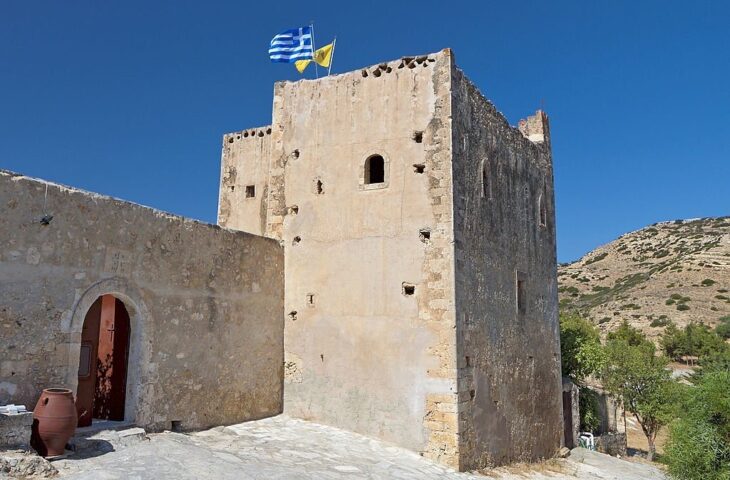
Travellers usually start from Heraklion, the island’s main transport hub and airport. The route runs south through the Messara plain, passes Mires, and continues to Sivas on an asphalt road. From Sivas, a short walk of 1 kilometers (0.62 miles) leads up to the hilltop where Odigitria Monastery stands. Guided tours are also available and often include transport from Heraklion.
Public buses may run from Heraklion towards Sivas, and they offer a cheaper option, but check the schedules in advance, because they rarely suit a same-day round trip. Travellers departing from Chania face a longer drive: the road trip from Chania to Odigitria Monastery covers 126 kilometers (78.29 miles), leading south through countryside and coastal scenery.
What type of car rental should you choose when visiting Odigitria Monastery?
A car is the best rental choice for Odigitria Monastery, and the compact Toyota Aygo handles the winding approach road well. Rental Center Crete offers cars, vans and motorcycles, and a car gives the comfort and versatility the mountain roads of southern Crete demand.
The main vehicle choices for the trip are listed below.
- Toyota Aygo: the compact, fuel-efficient option that handles the winding roads to the monastery with ease.
- Skoda Octavia: the spacious saloon for families or groups of friends carrying luggage.
- Kia Sportage: the reliable SUV for travellers who want extra ground clearance on rural roads.
- Toyota Rav4 Auto: the all-wheel-drive option for exploring the rougher tracks of the Asterousia Mountains.
- Peugeot 5008 Auto: the seven-seater for larger groups travelling together.
Can you rent a car going to Odigitria Monastery?
Yes, you can rent a car to reach Odigitria Monastery, and Crete offers a wide choice of rental companies for the trip. Renting a car in Crete gives visitors the freedom to set their own departure and return times and to stop at viewpoints, villages and beaches along the way.
A rental car also removes the dependence on infrequent bus schedules and expensive private transfers. The road trip itself forms part of the experience, because the drive crosses the Messara plain and climbs into the Asterousia foothills before reaching the monastery gate.

Where can I rent a car in Crete?
You can rent a car in Crete at the airports, the main cities and the popular tourist areas, including through Rental Center Crete. Rental Center Crete has multiple rental locations across the island, including Heraklion, Chania, Rethymno and Agios Nikolaos.
The company offers a diverse fleet of well-maintained vehicles, ranging from economy cars for budget-conscious travellers to spacious SUVs for larger groups or families. Rental Center Crete also provides optional insurance coverage, flexible rental durations and 24/7 customer support. Other international companies such as Hertz, Avis and Europcar also operate branches in Crete.
What are the nearest attractions to Odigitria Monastery?
The nearest attractions to Odigitria Monastery are Agiofarago Beach, Red Sand Beach, Matala Beach, Kaloi Limenes Beach, the Kommos Archaeological Site, Kommos Beach and the Phaistos Archaeological Site. Each attraction, with its distance from the monastery, is listed below.
Is Odigitria Monastery an archaeological site?
No, Odigitria Monastery is not an archaeological site. Odigitria Monastery functions as a living Greek Orthodox religious site rather than an excavation, unlike the Minoan palaces and ruins elsewhere on Crete.
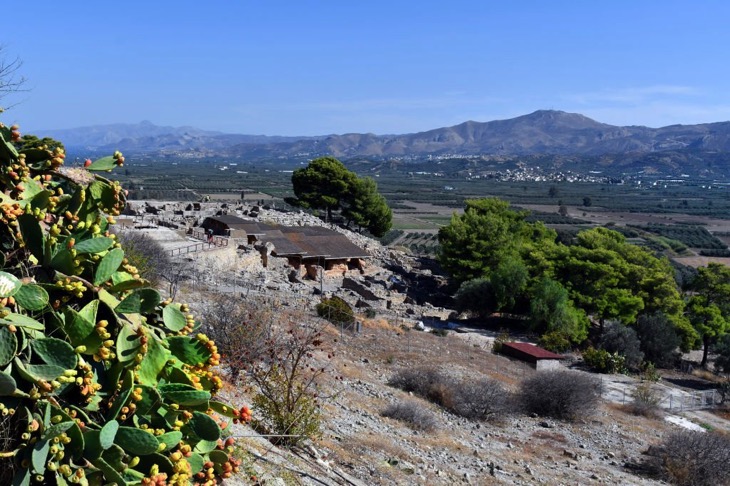
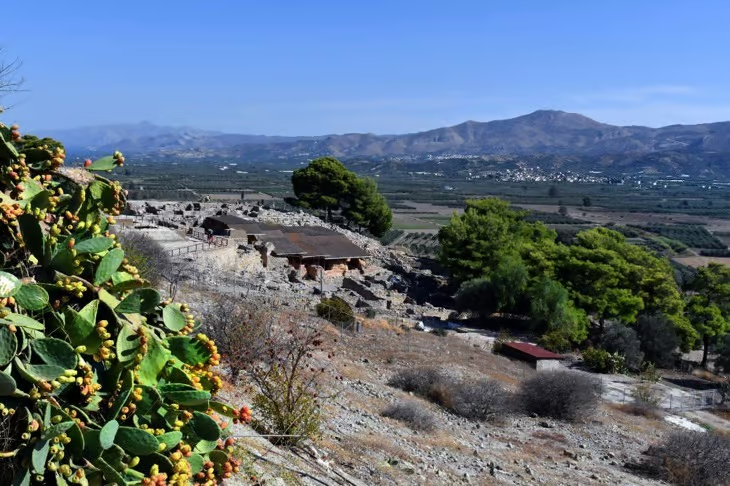
The monastery’s history reaches back to the 14th century, and successive renovations have preserved its architecture and its role as a place of worship, reflection and pilgrimage. The wider region does hold major archaeological sites, including the nearby Kommos Archaeological Site and Phaistos Archaeological Site, which document the island’s Minoan past. Beyond the Messara plain, Crete boasts numerous archaeological sites, from Minoan palaces to excavated ports.
What do visitors say about Odigitria Monastery?
Visitors describe Odigitria Monastery as a beautiful, peaceful place with fantastic panoramic views. Visitors highlight the old stone and wood buildings, the garden and the tower, which looks out over the surrounding valley.
The monastery has been nicely renovated, and the entrance is free. Inside, a small museum displays historical items and objects used in the past, and a little shop sells goods such as medicinal creams made from herbs grown in the monastery’s garden. Guests describe the monks as calm and friendly people. Many mention the cats living on the monastery grounds. Overall, tourists call Odigitria Monastery a quiet spot away from the crowds and worth a stop, especially when travelling on to nearby attractions like the beach at Agiofarago.
What are the most beautiful monasteries of Crete?
The most beautiful monasteries of Crete are Odigitria Monastery, Arkadi Monastery, Gouverneto Monastery and Preveli Monastery. Each monastery is described below.
- Odigitria Monastery: the fortress-style monastery near Sivas, perched on a hill in the Asterousia Mountains with a rich resistance history.
- Arkadi Monastery: the national monument famous for its heroic role in Cretan history and its Renaissance and Baroque architecture.
- Gouverneto Monastery: the secluded monastery on the Akrotiri peninsula, known for its serene atmosphere and coastal vistas.
- Preveli Monastery: the clifftop monastery near a palm-fringed beach, overlooking the Libyan Sea.
What is the oldest monastery in Crete?
The oldest monastery in Crete is Katholiko Monastery. Katholiko Monastery was first inhabited by ascetic hermits in the 11th century and later became an important religious centre.
Today the abandoned monastery still stands, with its medieval architecture and frescoes. To reach Katholiko Monastery, visitors hike 2 miles up stone steps carved through Avlaki Gorge, with sea views along the way. Its remote clifftop location shows how monastic traditions took root in Crete’s rugged landscape.
Odigitria Monastery FAQ
Does Odigitria Monastery charge an entrance fee?
No, Odigitria Monastery does not charge an entrance fee. Purchases at the monastery shop support the community instead.
What are the opening hours of Odigitria Monastery?
Odigitria Monastery opens from sunrise to sunset, and the exact hours vary by season.
How many monks live at Odigitria Monastery?
Reports indicate five monks live and work at Odigitria Monastery.
Can you take photos at Odigitria Monastery?
You can take photos in certain outdoor areas, but the monks prohibit photography and videography inside the churches. Ask a monk before you take pictures elsewhere on the grounds.
What is the dress code at Odigitria Monastery?
The dress code at Odigitria Monastery requires shoulders and knees covered, and women may be asked to wear a skirt below the knee.
Do you need a car to visit Odigitria Monastery?
You effectively need a car to visit Odigitria Monastery, because bus services to Sivas are infrequent and do not suit a same-day round trip.
